

... Domesticity
- Jul 14, 2020
- 3 min read
Updated: Jul 28, 2020
Today my task was to read the essay by Peter Gallasi for the book "Pleasures and Terrors of Domestic Comfort" about how photography of the home and domestic life has change since the 1950s. Gallasi contextualizes this evolution by using world events to mark the passing of time (the Watergate scandal, Ronald Reagan's presidency, etc.). I particularly resonated with the parallels he drew between politics and how the home was portrayed by photographers. As politics changed with feminist movements, abortion legislation, and more; the makeup of the home started to change... and the best way to see that is to look at the photographers of the time. The return to realism that these photographers embodied helped lead to an era of postmodernism in the field, and plays into Gallasi's project by allowing him to demonstrate the bravery these artists had to challenge the modernism trend and change the tide of artistic pop-culture.
Another important aspect of this postmodern staged narrative is how it plays on the science of psychology and the subconscious; which is elegantly described in this quote:
"As a thirtysomething guy peers into his refrigerator at night, we see not a banal search for a snack but a man confronting the chaos and dissolution of his life (page 30).
Between the implied sincerity of the documentary idiom and the
unapologetic fictions of popular culture, Frey and diCorcia, following different routes, discovered a twilight zone where the unexploded bomb of
psychological narrative incessantly ticks." (Pages 16-17 of "Pleasures and Terrors of Domestic Comfort")
Creating a photograph where the subject is stuck in a psychological conundrum is difficult in itself, but that's what makes staged narrative so interesting. If you can portray something as ordinary as a midnight snack while simultaneously establishing a sense of discomfort and thought in the viewer you have really achieved the effect of the staged narrative. Without this psychological battle of the subconscious being portrayed, I believe a photograph meant to be staged narrative then turns into portraiture.
Nowadays, staged narrative has lost momentum as the leading style of photography in the art world. With the rise social media platforms like instagram and snapchat, there is pressure to show perfection in your life (regardless of whether or not it exists). And even decades after exhibitions like Sheron Rup's in the 1990s, the idea of portraying the accuracy of everyday life remains radical. It should be the goal of today's photographers (myself included) to recapture the reality of life in the 21st century instead of this veil of perfection that we feel must be present.
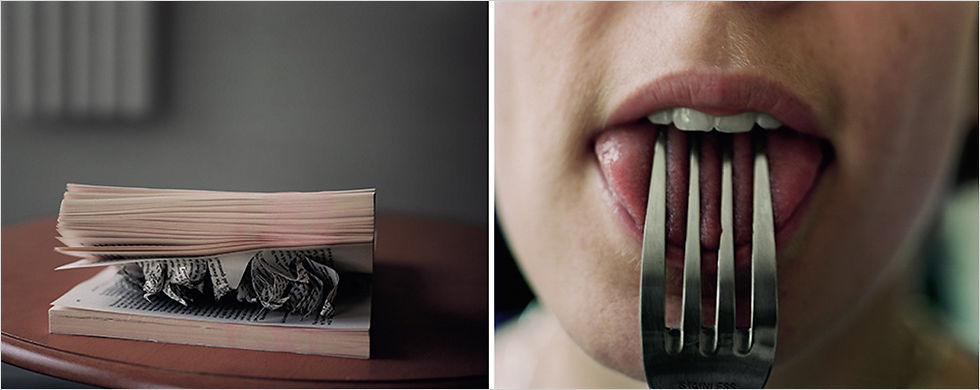
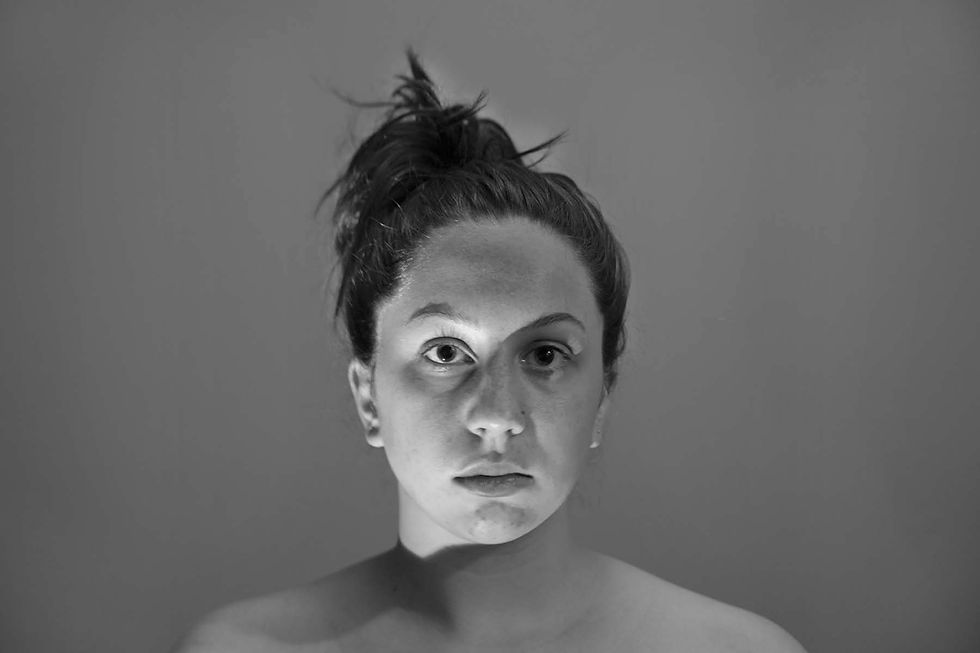
When I was looking through the photos in the back of the book an artist that caught my attention was Eileen Cowin, a postmodernist photographer from Los Angeles, CA. I am a big fan of both drama and realism in photography, as I believe there is ample drama in our everyday lives. She also is a feminist from the 1960s and 1970s and therefore her work reflects women in "unacceptable" ways, which is beyond fascinating for me. The following are some of her works that I enjoy, but the one that first caught my eye was called "Untitled, 1985" which I could only find in the book I was asked to read.




Comments